
 01
Aerial over the dunes
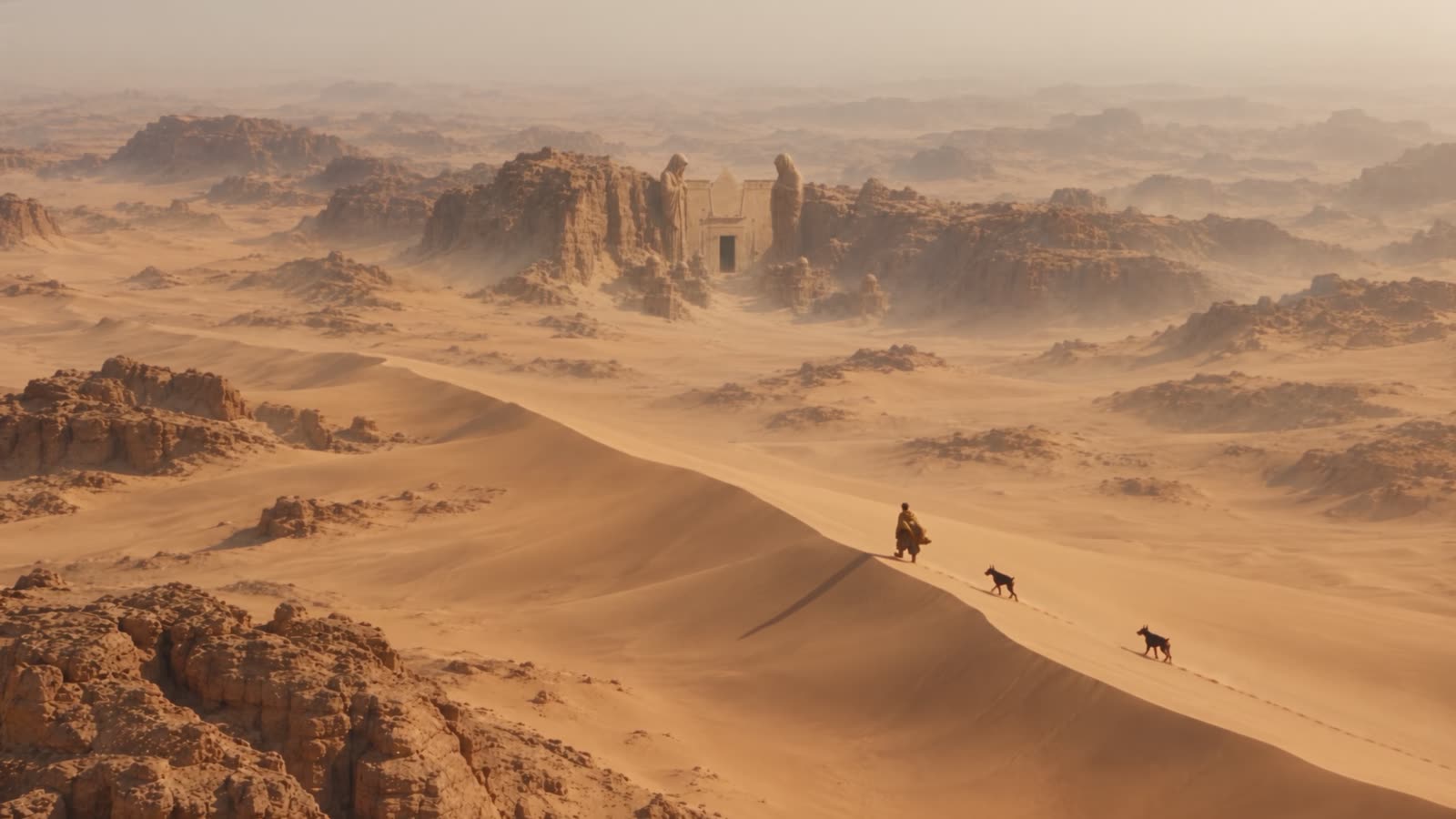
Three tiny figures on a dune crest, the temple far away in the haze. Scale first: the world is bigger than the man.
extreme wide aerial · slow forward glide · true geographic scale · warm ochre haze
Apocalypsis is a short-film series. One wanderer, two red Dobermans, a desert built from nothing. Episode 01 is the arrival: the crossing, the buried houses, the temple between two colossal statues — and a door that won't open.
One beautiful shot is easy now. A series isn't. The viewer has to recognise the face, the poncho, the dogs and the stone from one shot to the next, and from one episode to the next. That was the real brief: continuity. It's the same discipline a brand needs — every frame has to look like it comes from the same place.
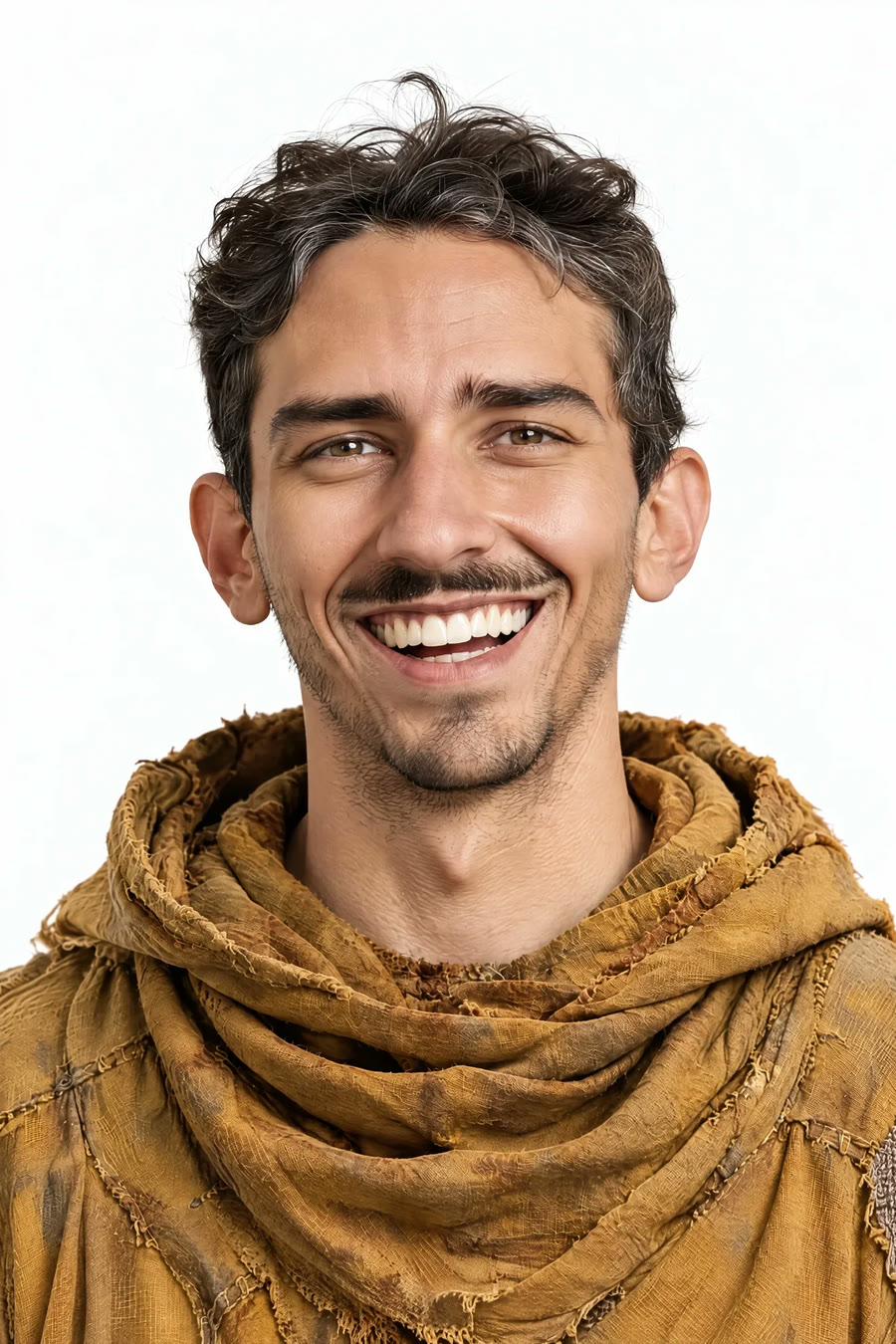
The wanderer is me. My own face, cast as the lead. Not as a gimmick: a personal brand means you are the protagonist of your own story — and the story keeps going.
Twenty seconds without a word: wind, sand, a choir. Then he sits down against the door and talks to his dog. One sentence, in my own voice, and the whole series has its question.
"Well buddy…
it looks like we'll have to find the key first."
To be continued.
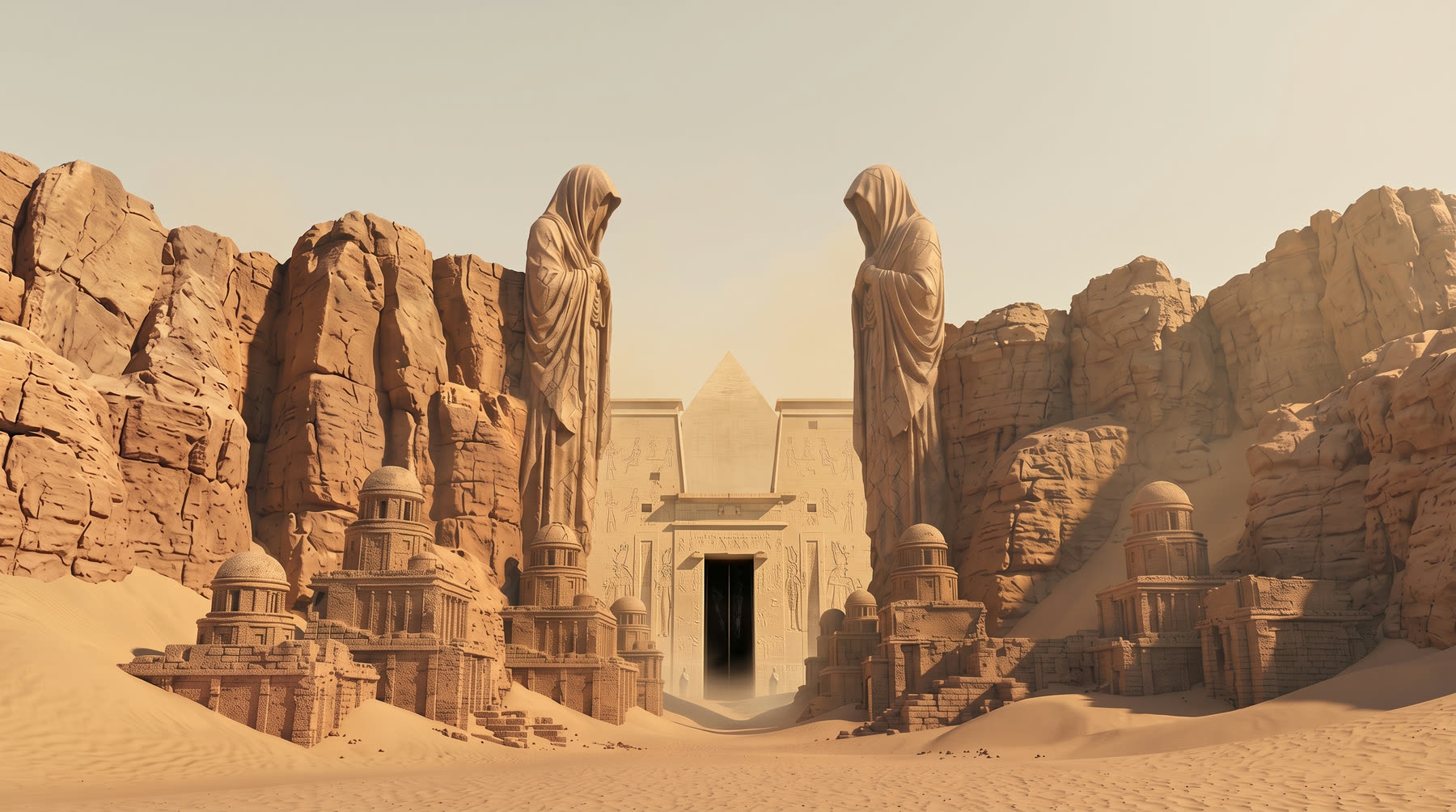
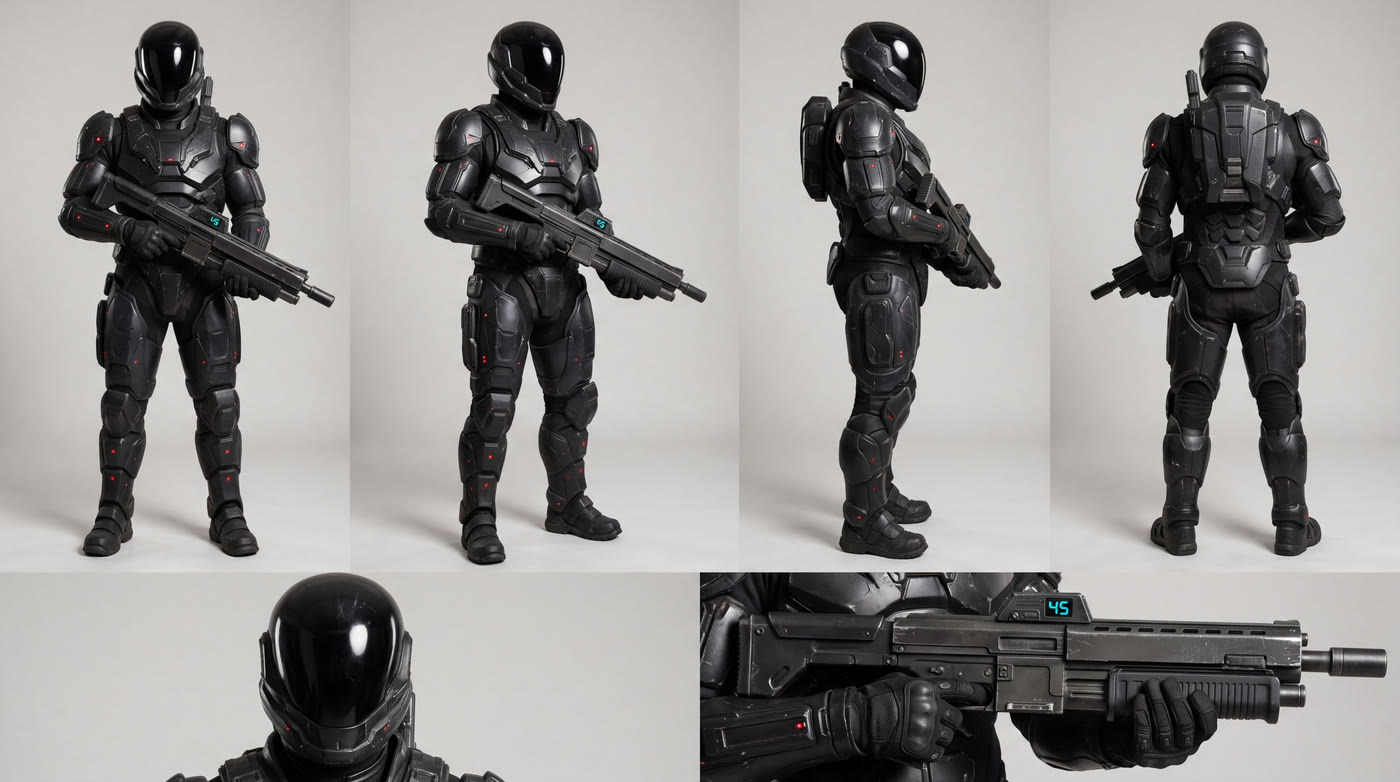
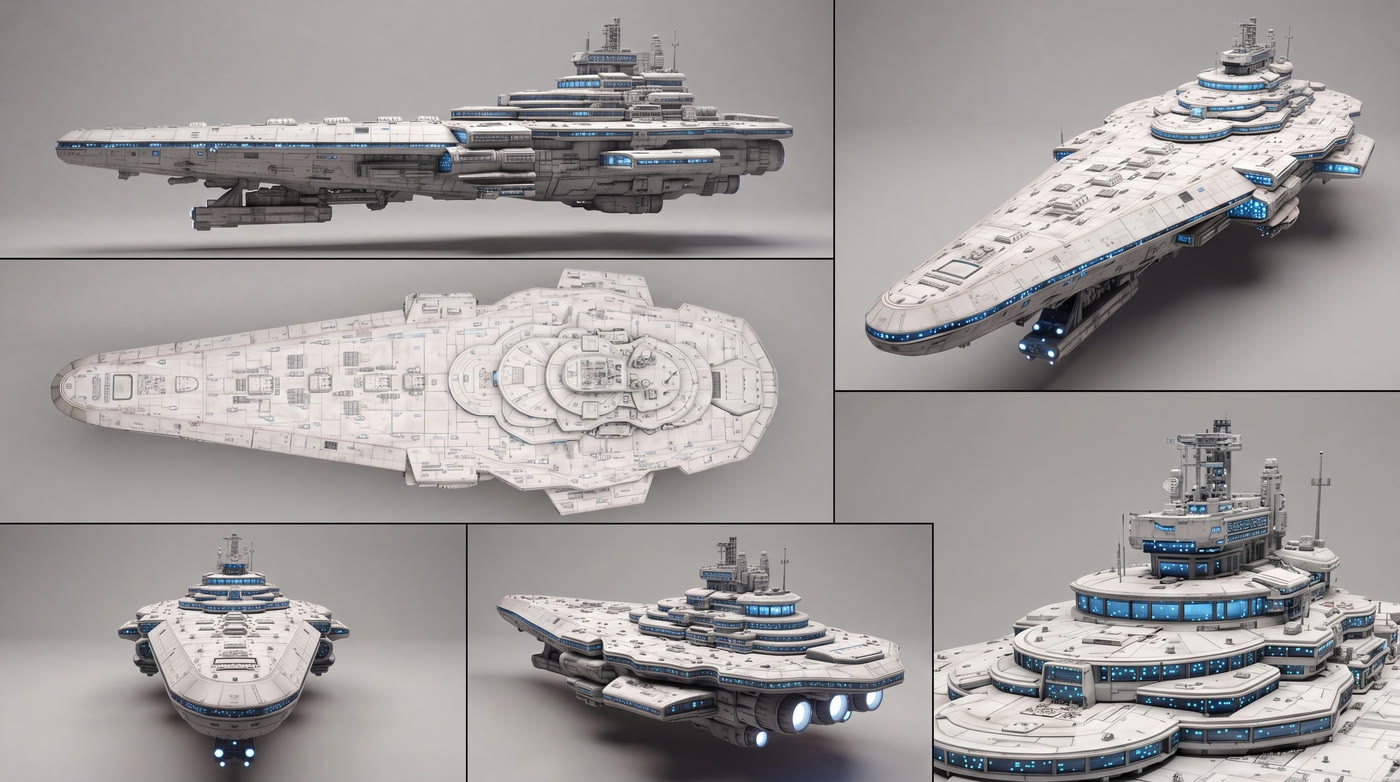
Nothing moved until the world was fixed. The wanderer, his face, the two dogs and the temple were designed once and approved one by one — then every shot was built from the same four references.
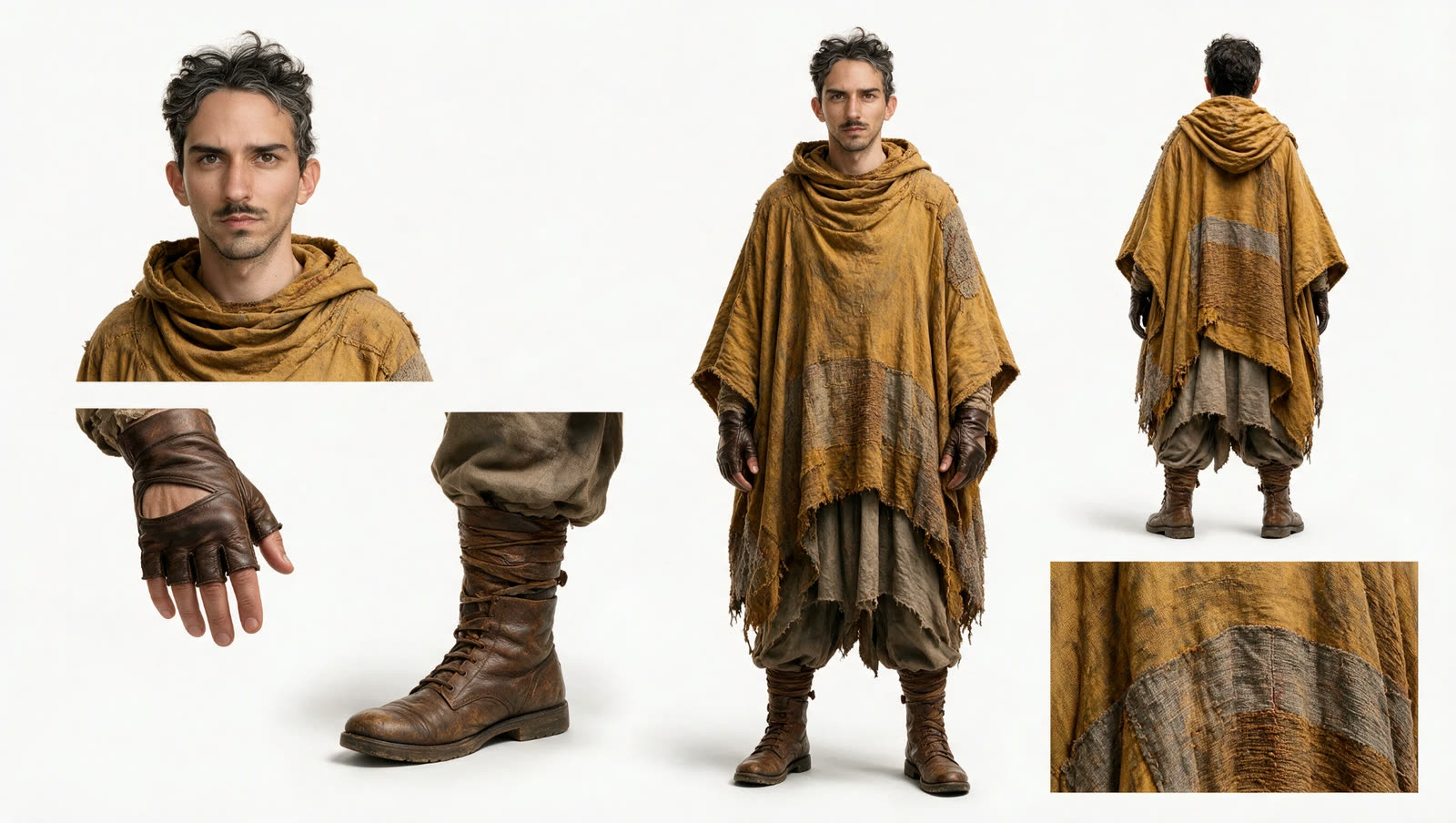
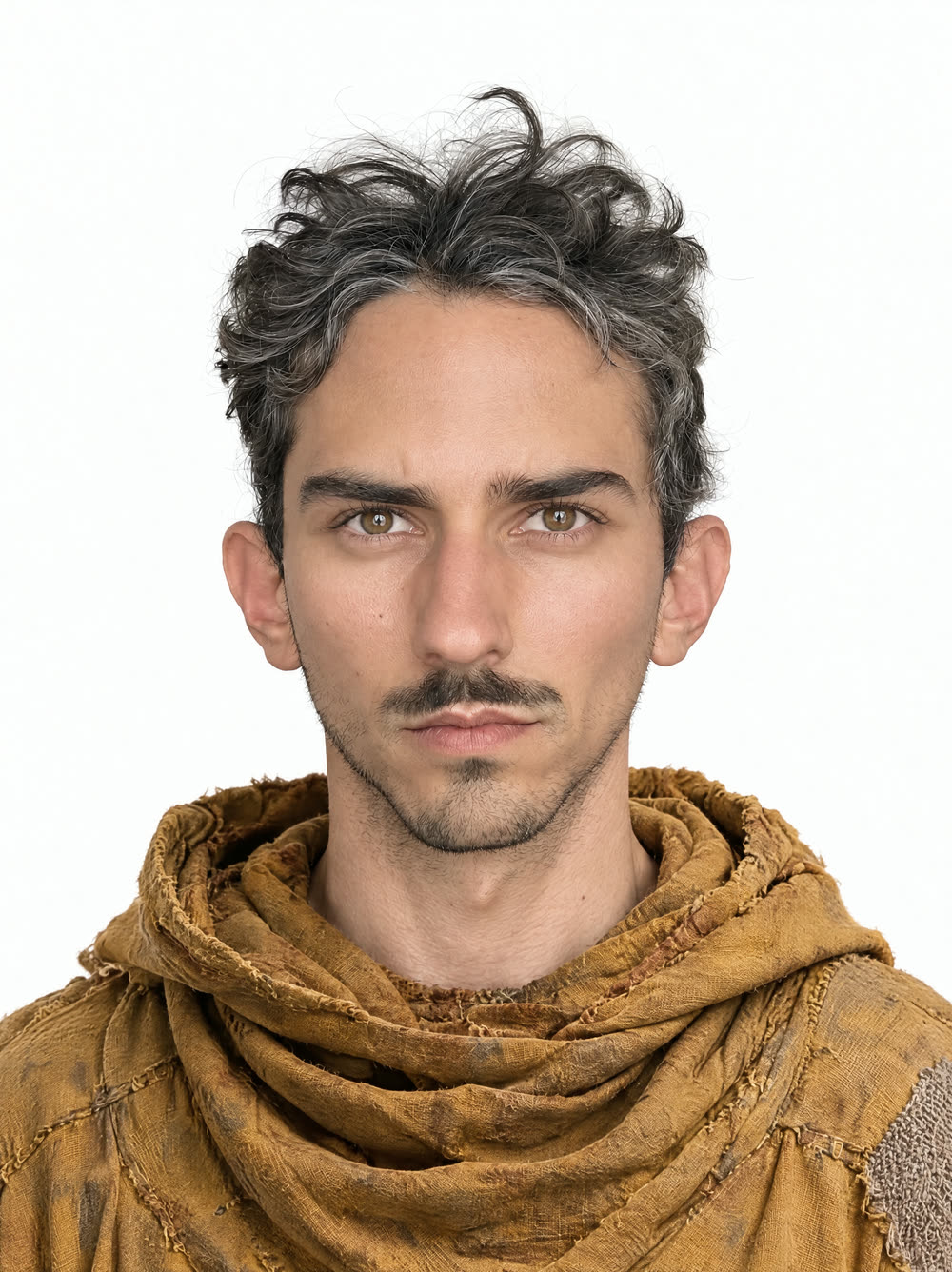
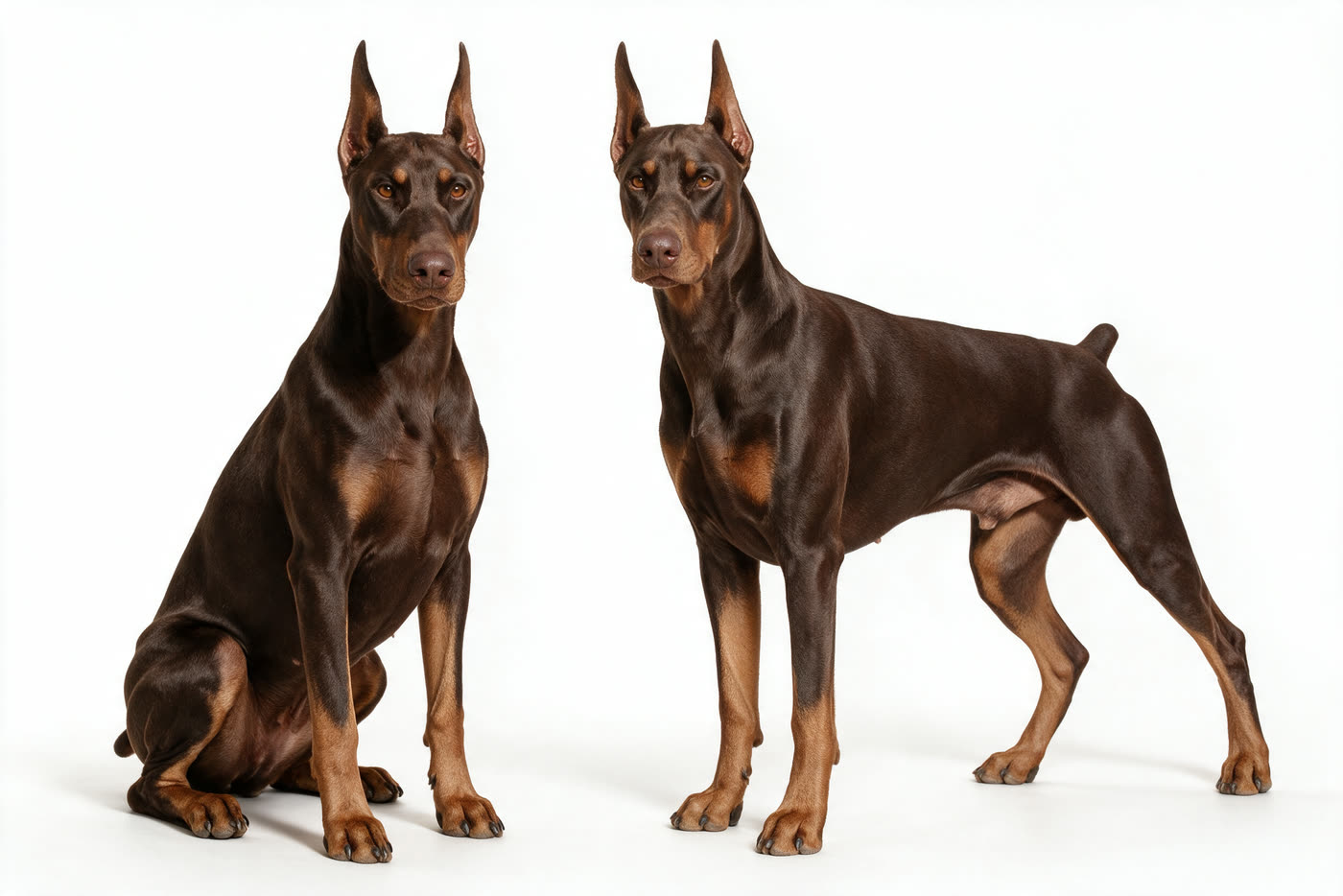
The same features in every shot, from a speck on a dune to a close frontal at the door.
Same coat, same ears, same pair. They walk, stop and sit with him like a real team.
Every location fixed as an empty plate before anyone walked into it. The temple never changes shape.
Aerial, ground level, rooftop, push-in. Photographic light and dust — it should read as footage, not CGI.
01
Three tiny figures on a dune crest, the temple far away in the haze. Scale first: the world is bigger than the man.
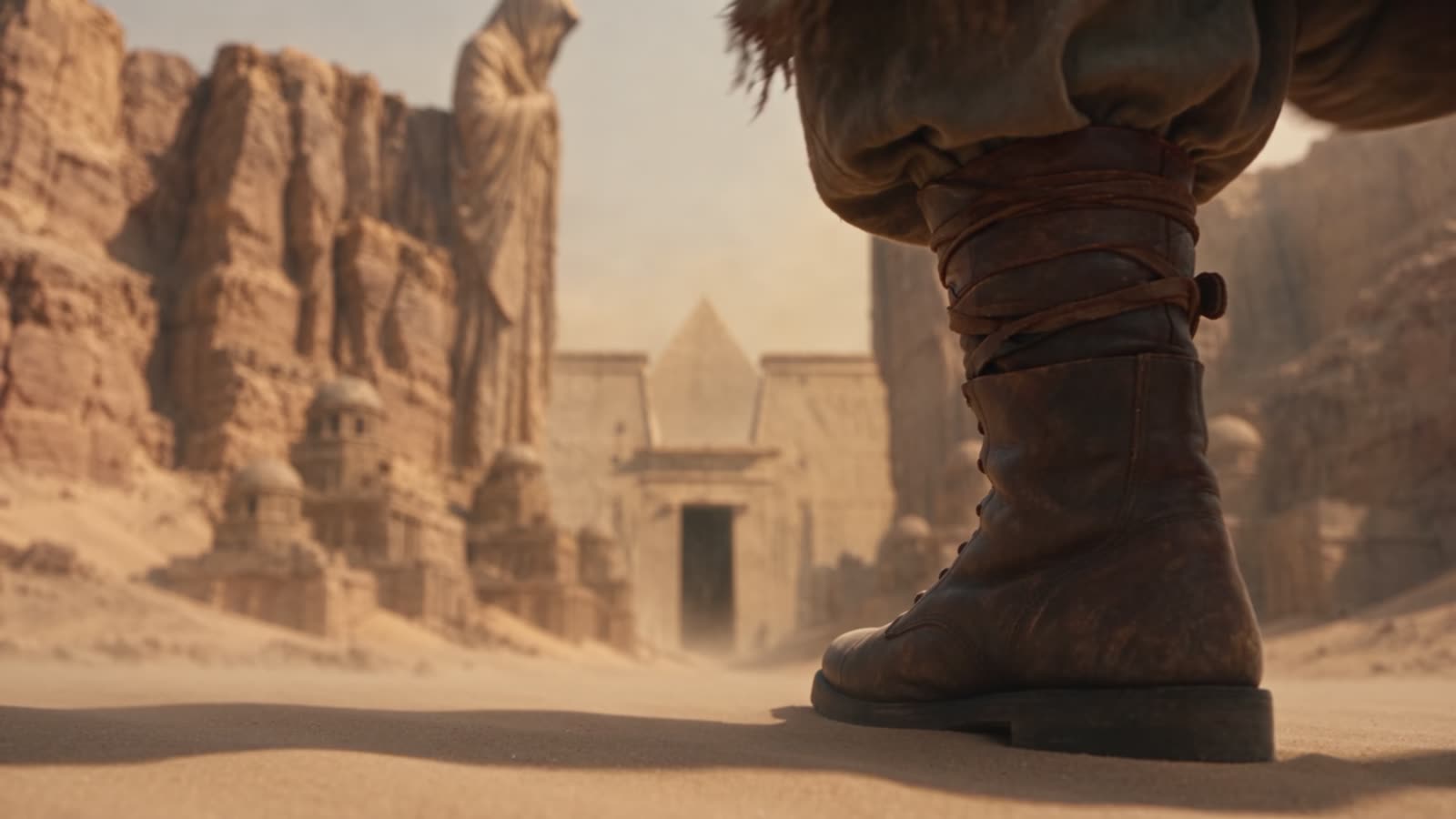 02
The camera lies on the sand. One boot lands, the temple waiting behind it. Then the three of them walk on, away from us.
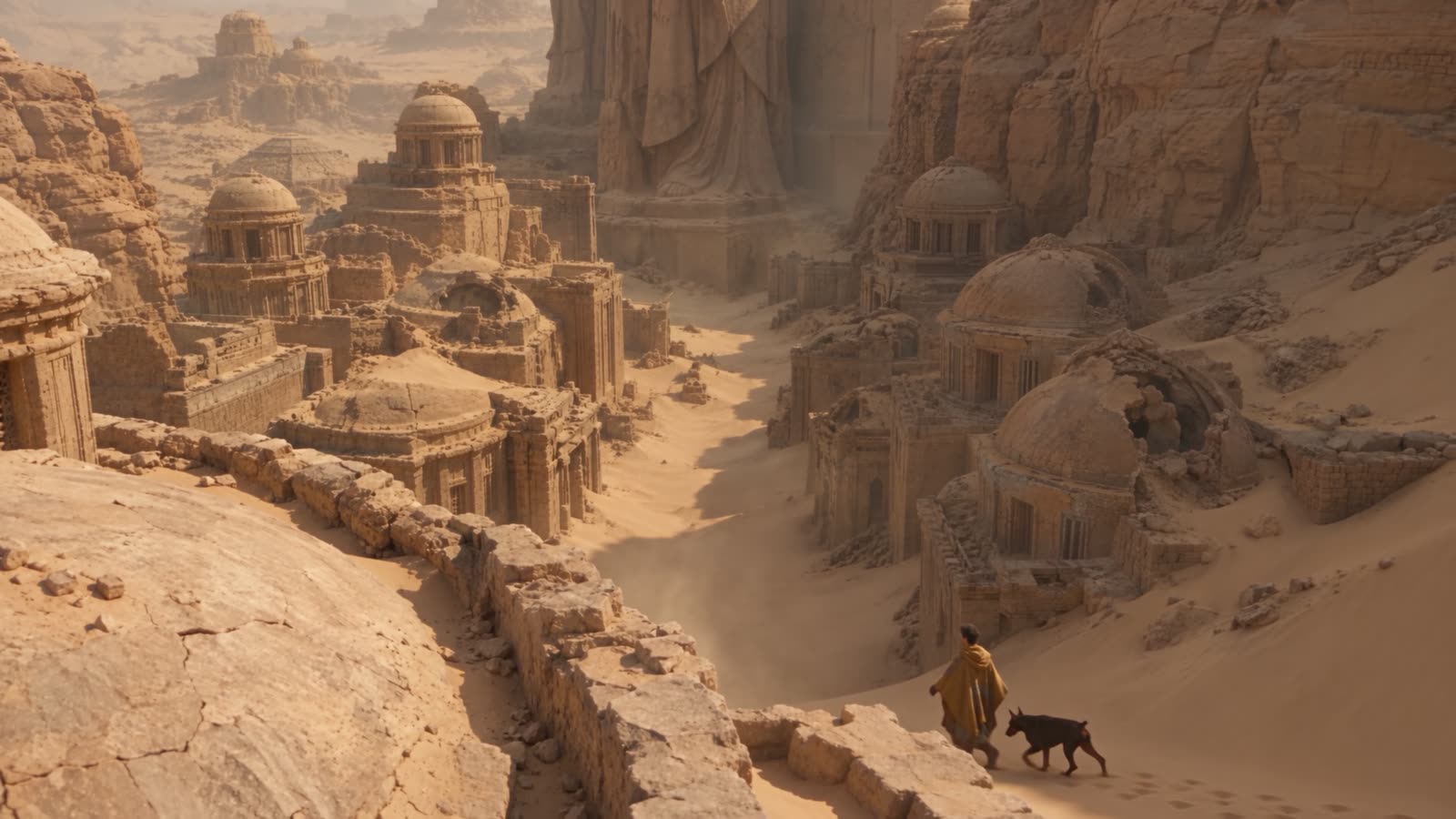 03
From the edge of a buried dome we watch him pass below, a dog at his heels. The city has been empty for a long time.
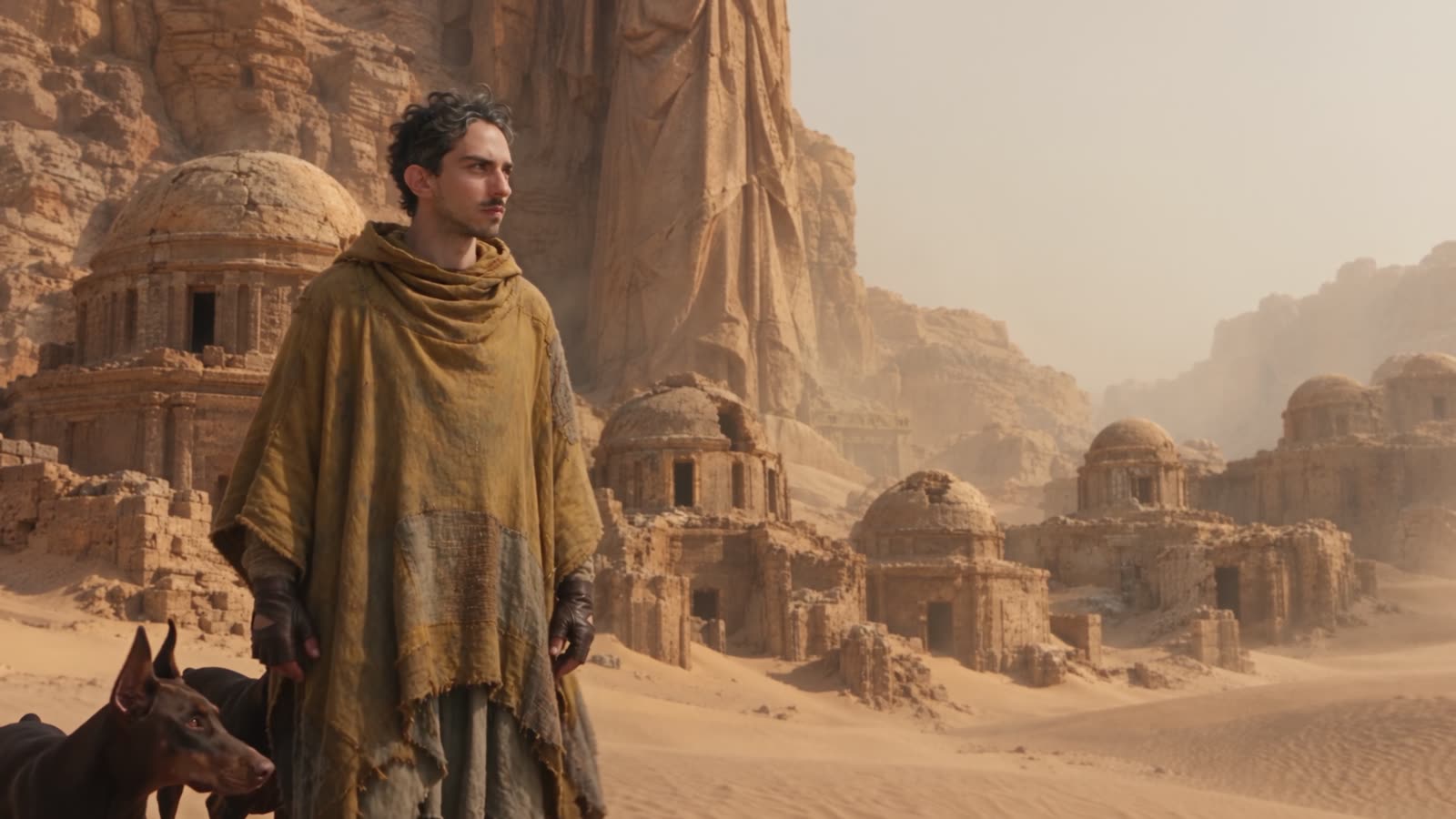 04
He stops among the domed houses, half swallowed by the sand, and looks around. The dogs wait for him.
 05
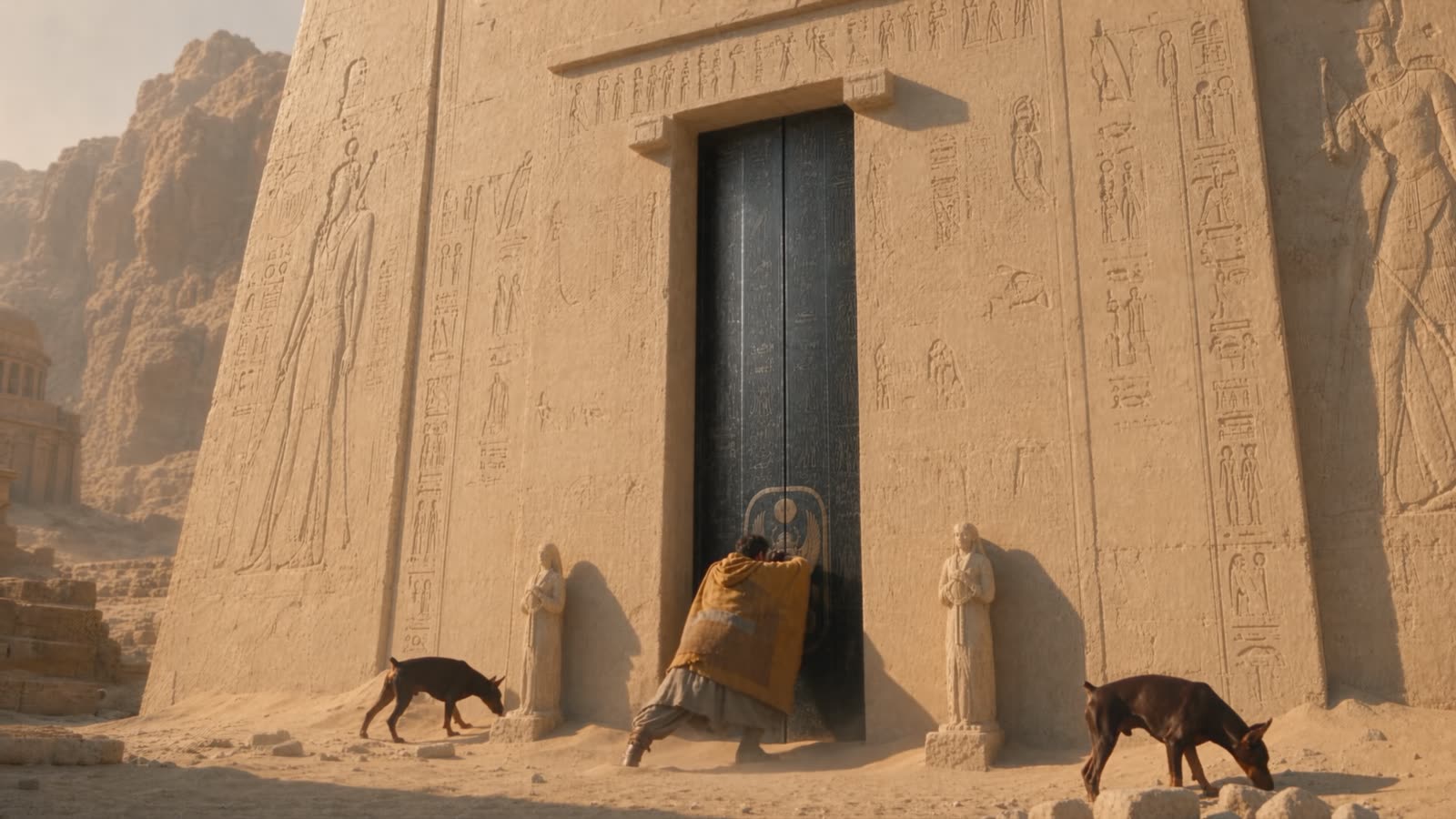
The temple face and its black onyx door. He pushes with his whole weight. Nothing moves.
 06
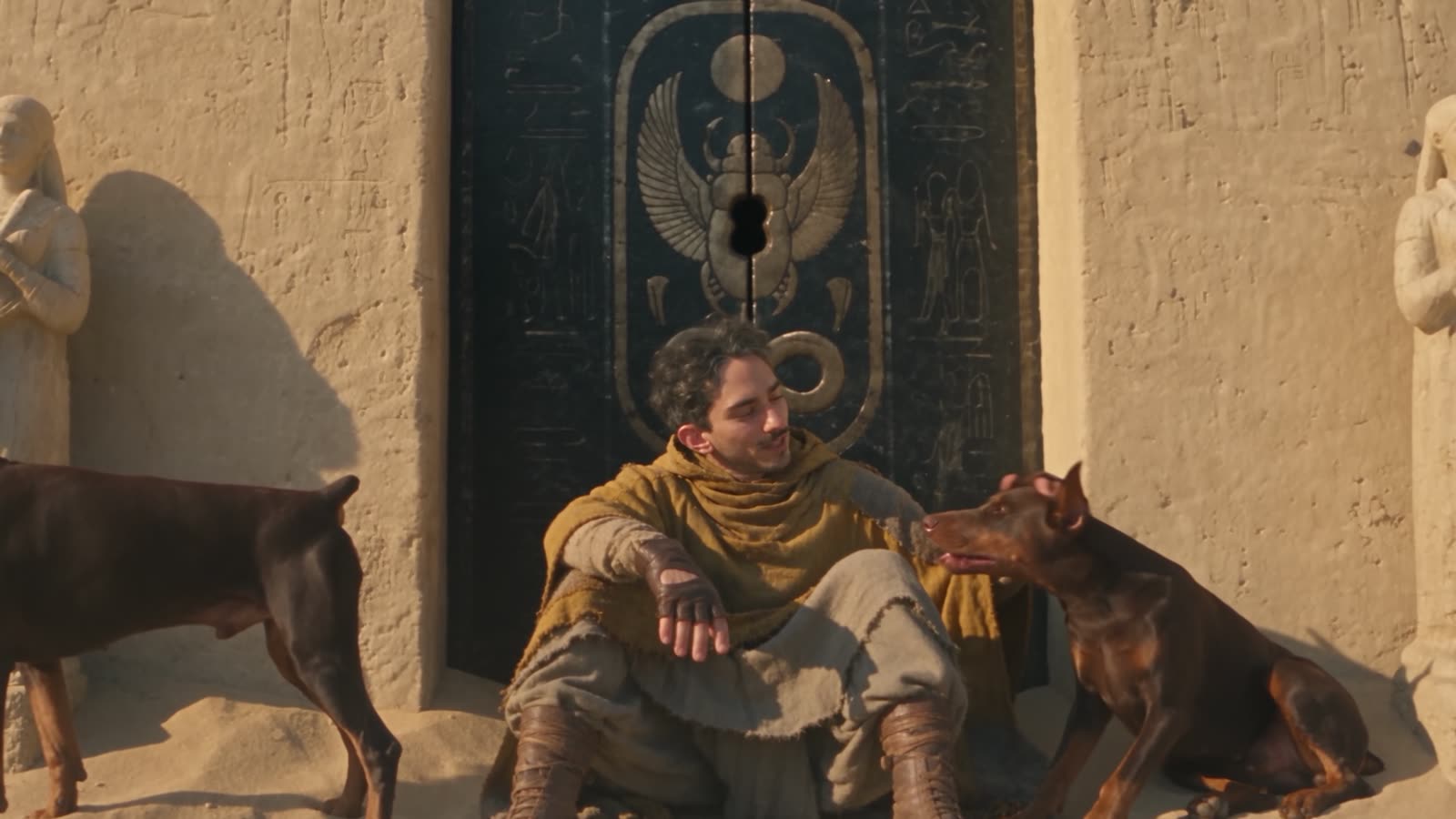
He sits down against the door, one dog on each side, and says the only line of the episode.
The finished cut runs on the left. On the right, shot by shot, only the references that shot actually used — the location, the character, the face, the dogs. Nothing else.
Every camera move was decided in 3D first: where it stands, how it moves, when it cuts. Then the AI turned it into film.
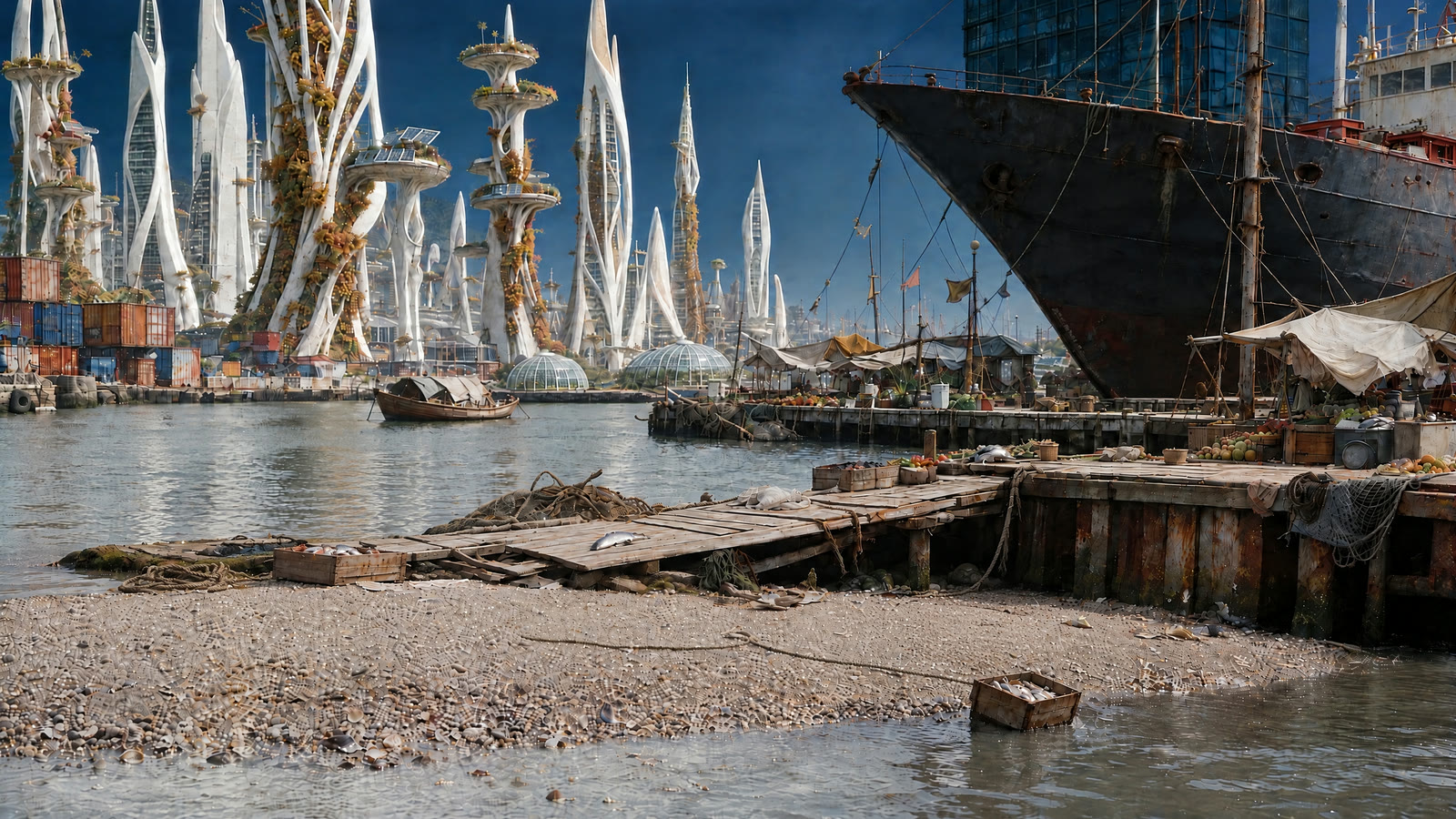
The port was built empty first. The characters came after.
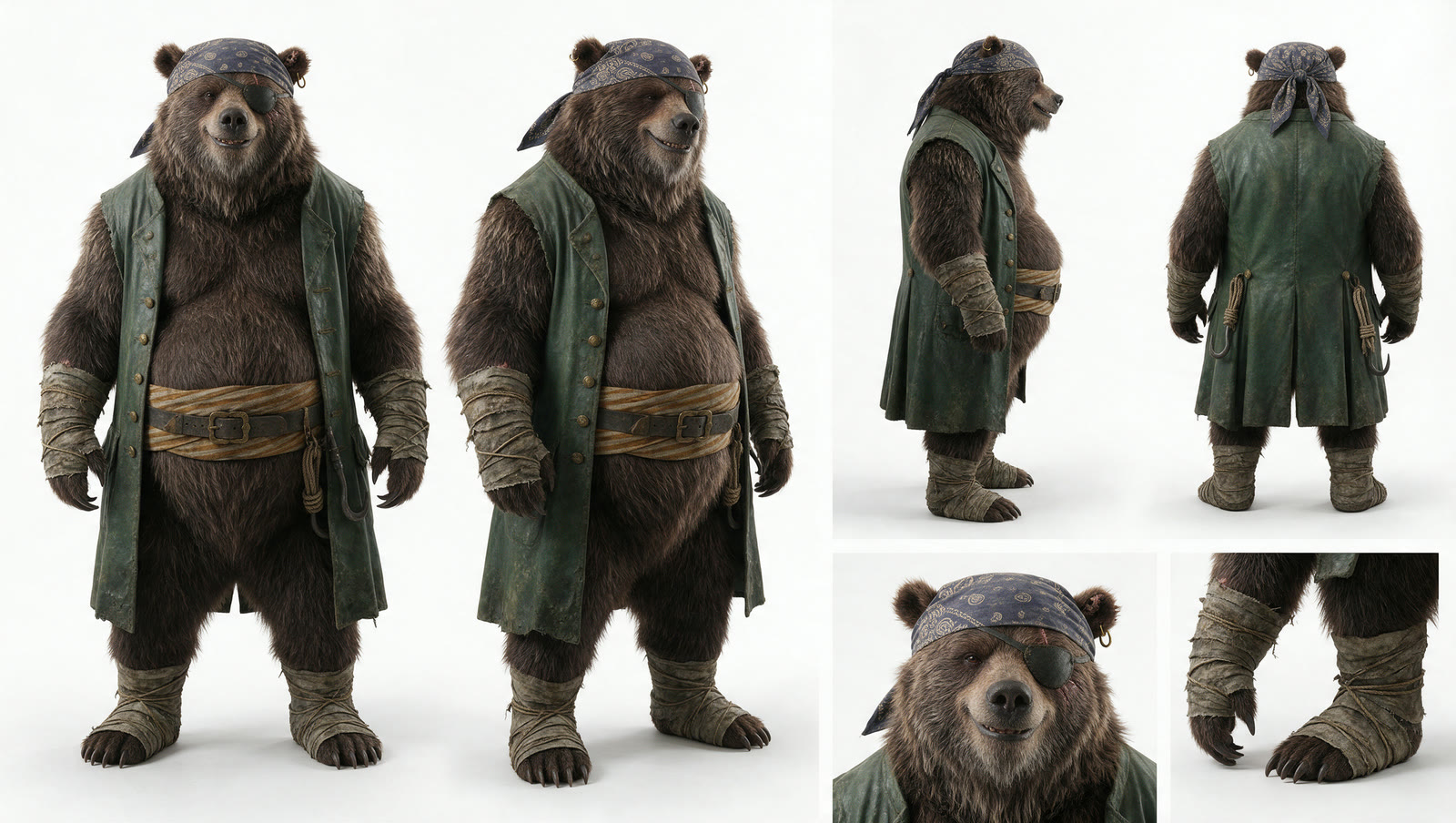
Odd got a character sheet, so he's the same bear in every shot.
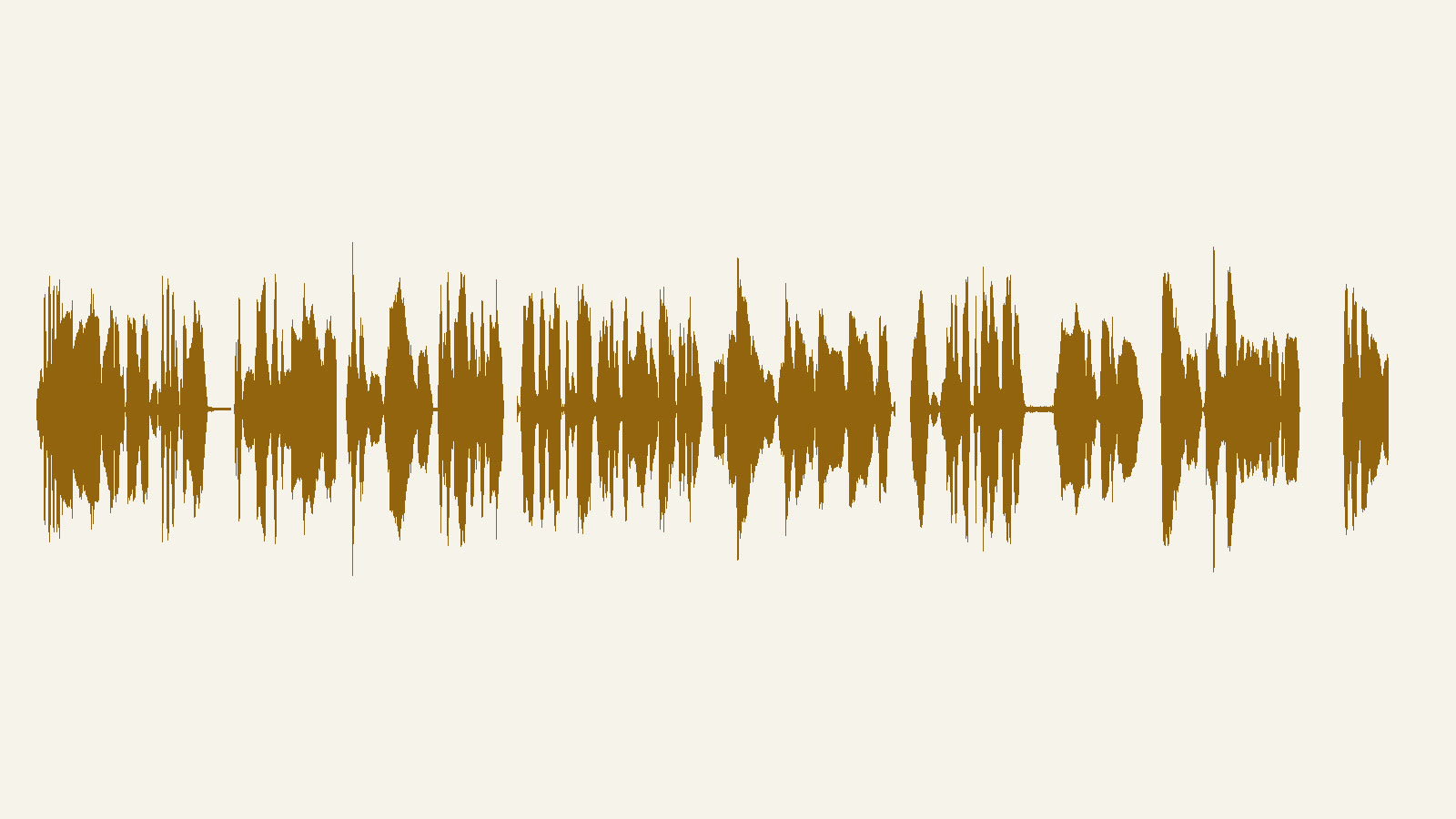
The dialogue was recorded before anything moved. Its 35 seconds set the clock.
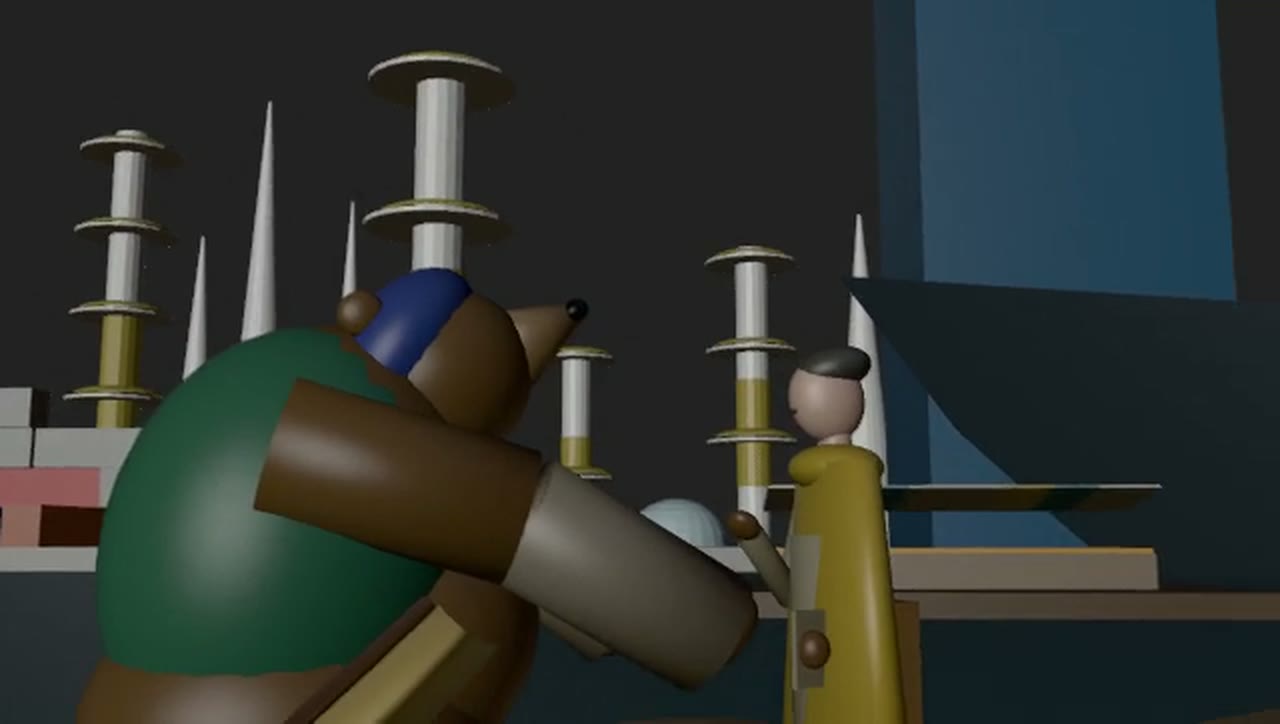
Set in Blender and timed to the voices: where it stands, how it moves, when it cuts.
I made the fight myself, with motion transfer in Higgsfield Genjutsu. The movement comes from an existing film: the John West "Bear" commercial (UK, 2000). The same ad gave me the first frame of the port. The credit for that performance belongs to its makers.
Handle with care. Copying someone else's performance is delicate. I did it for my portfolio, as a personal project. It doesn't belong in commercial work.
On top, the film. Below, the same seconds in 3D. They cut at the same moment.
"Every bad take was a bad instruction."
The trailer was built on its audio. The images came second, the effects last.
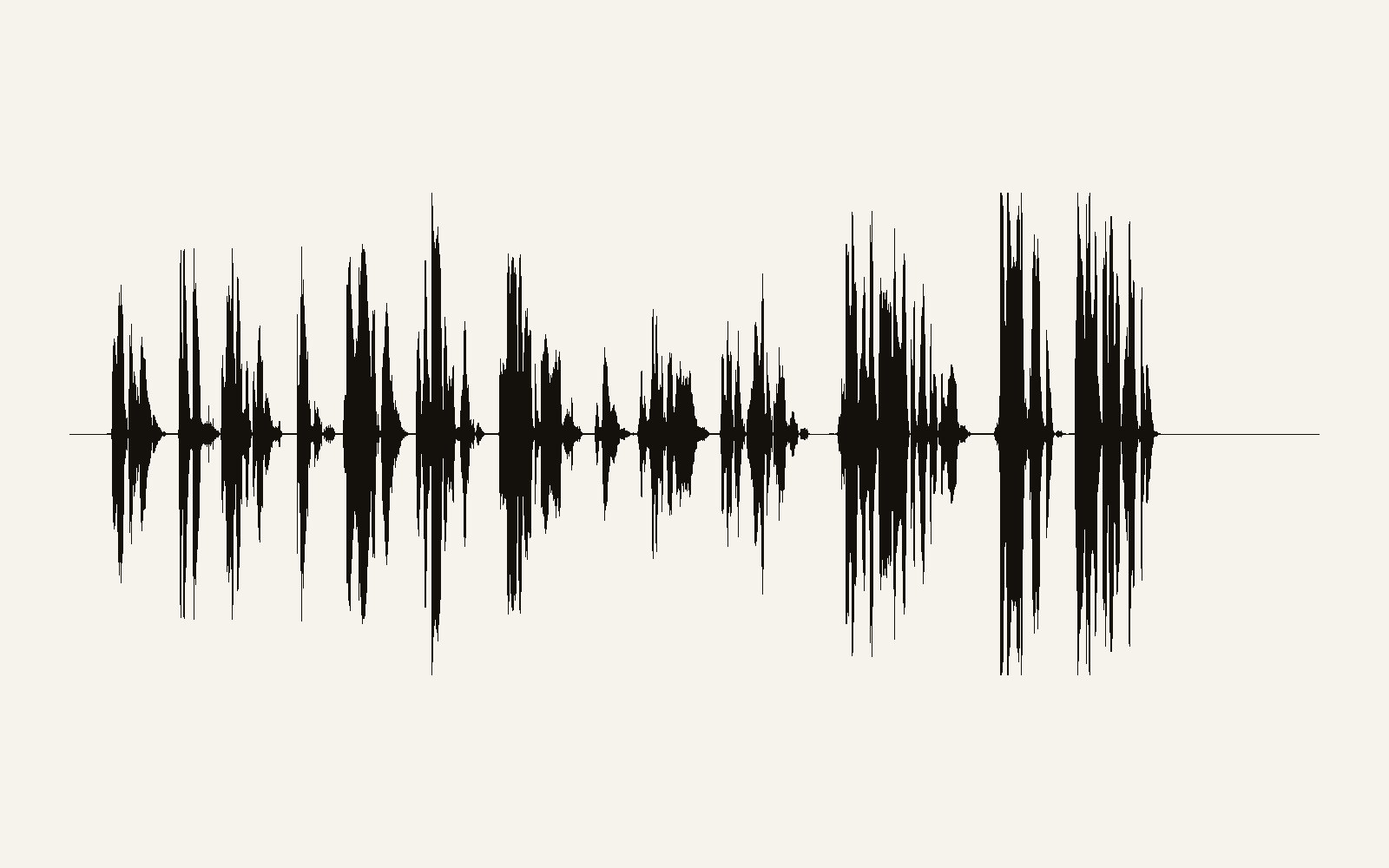
Written first, read by my cloned voice. The last lines are my own take.
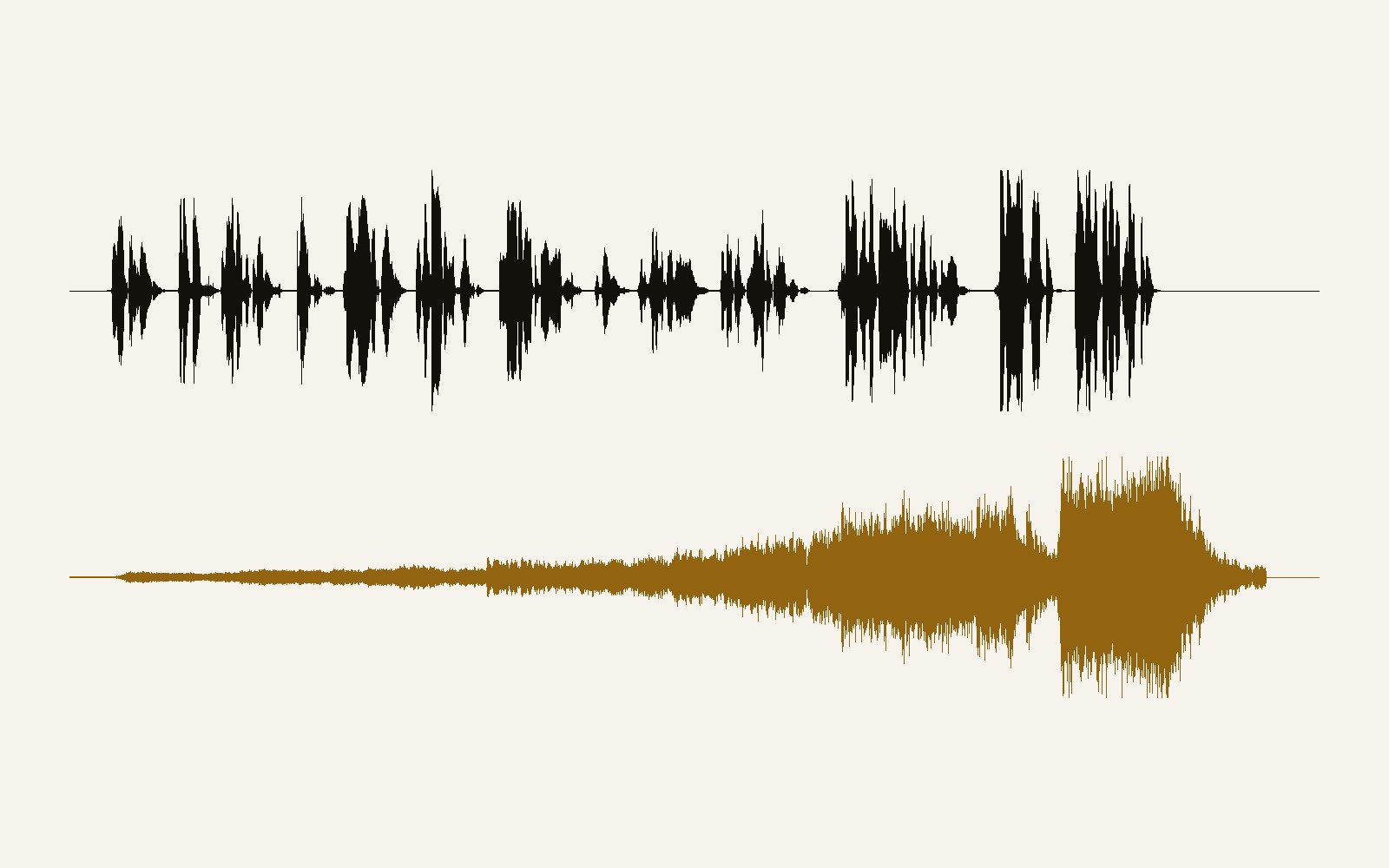
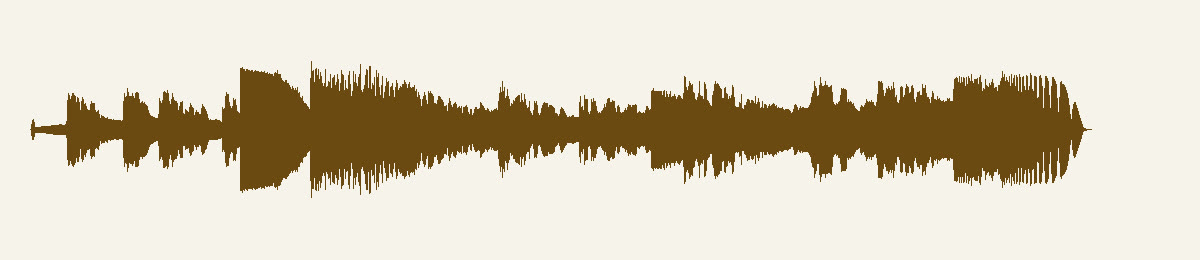
Claude Code laid the voice over the music: one join, from almost nothing to full tension.
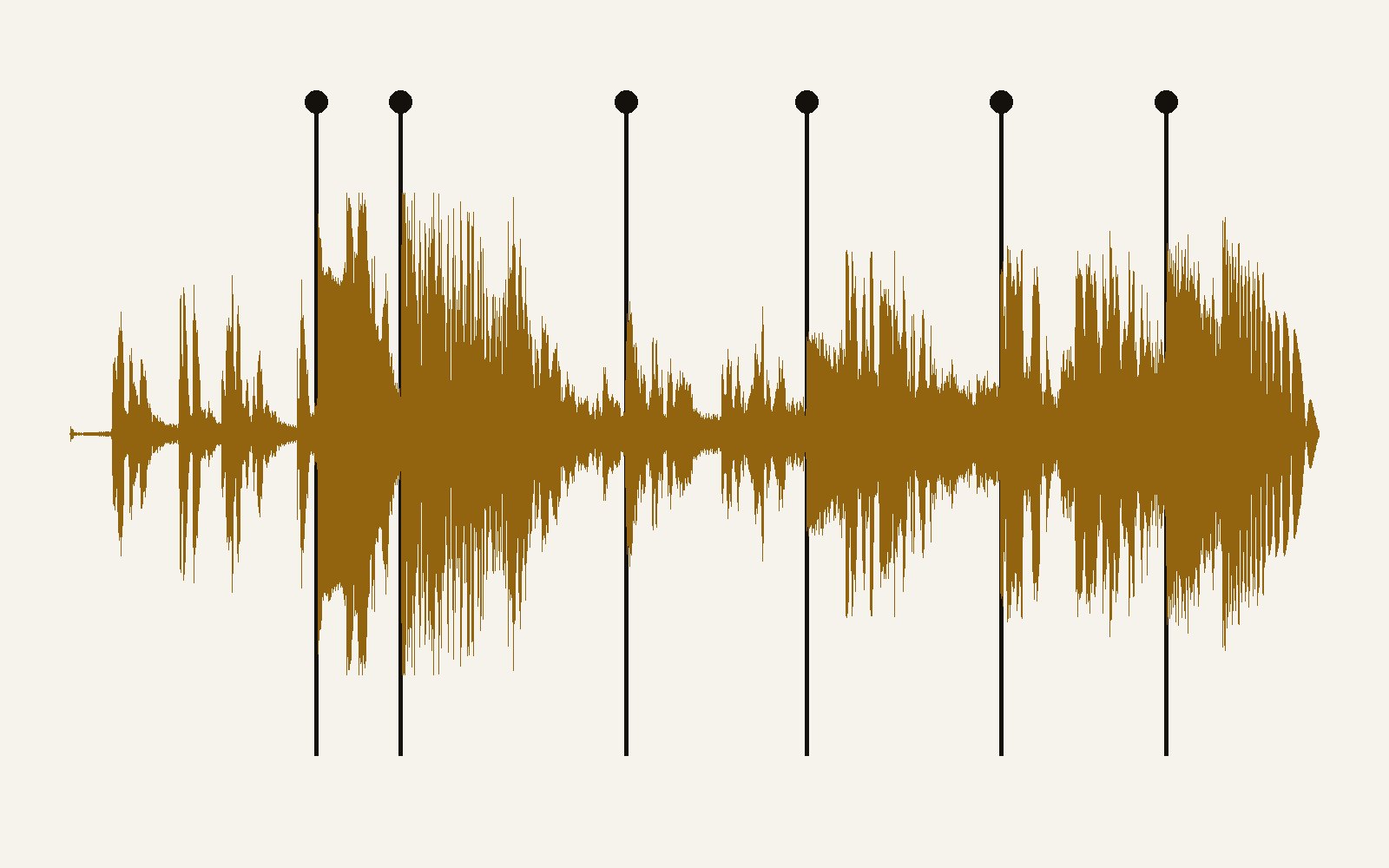
Six hits split the audio into moments. They set the rhythm.
One block of time per shot, to picture the scene that fits what the voice says.
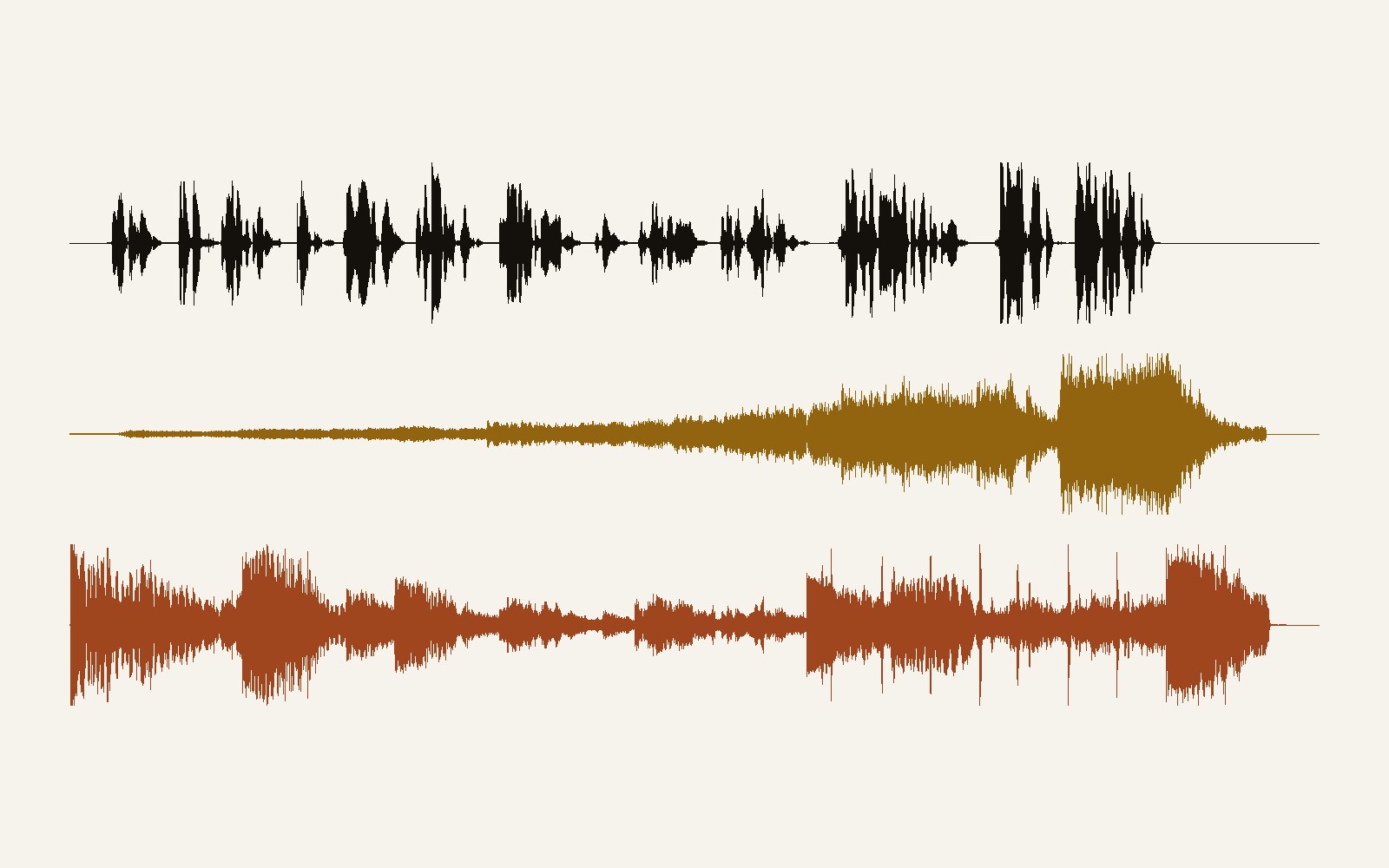
With the images done, the effects went in: a boom, engines, a blast, chains, hooves, gold cups.
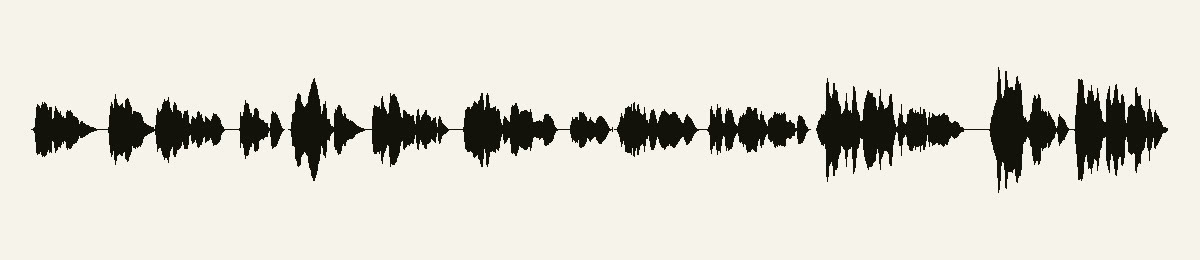
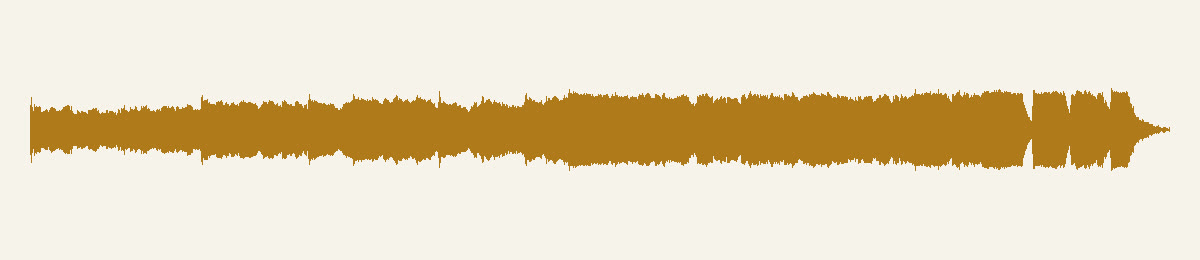
 Voice
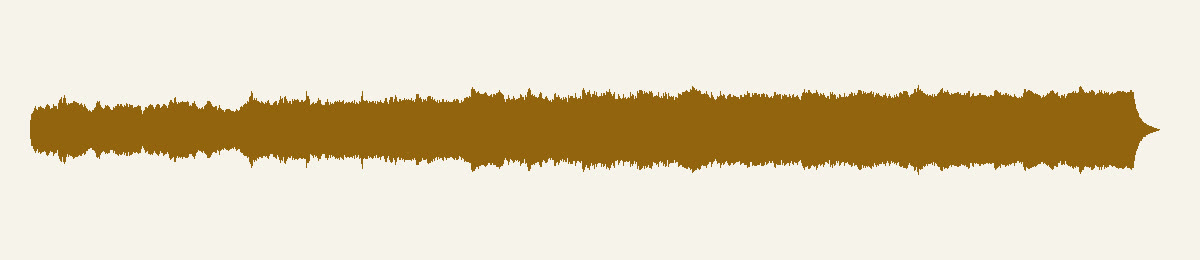
 Music
 Effects
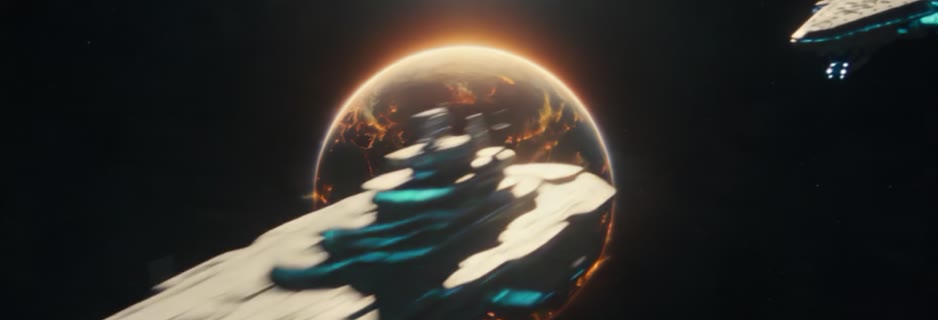
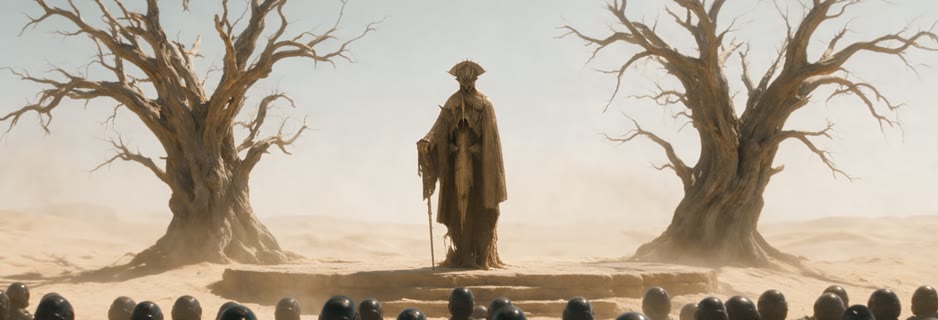
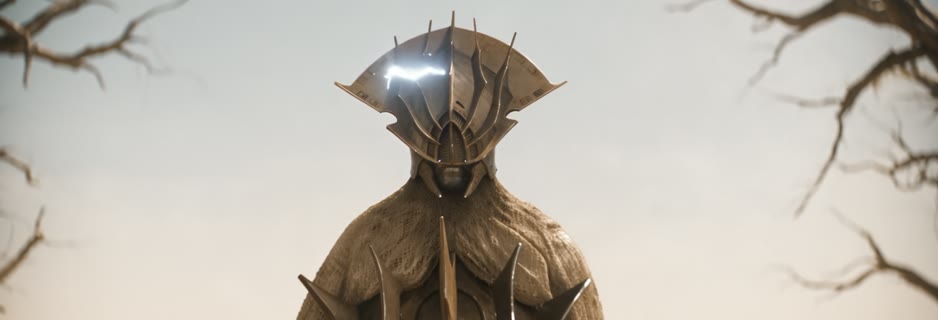
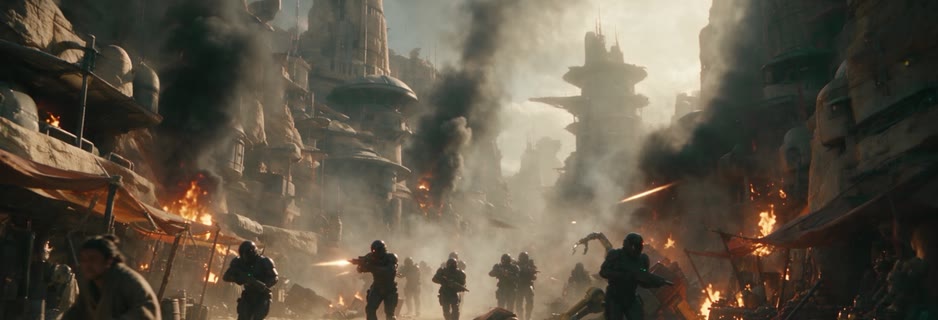
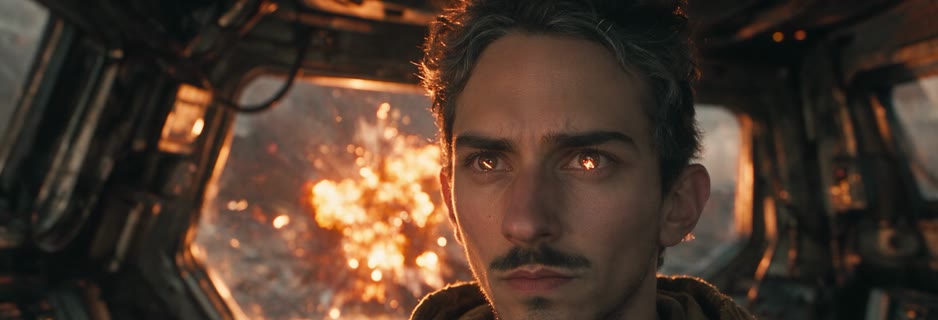
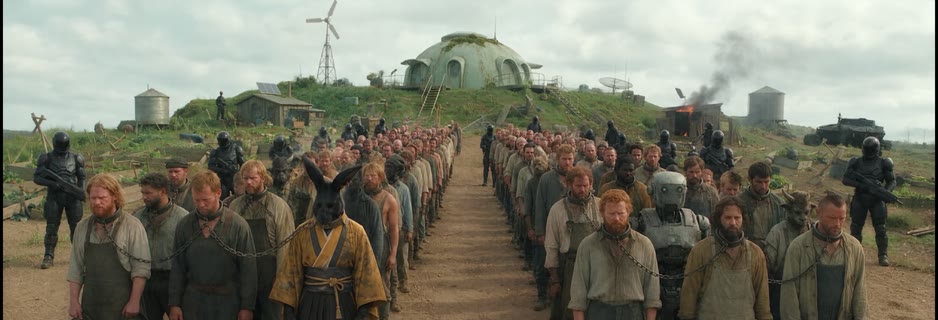
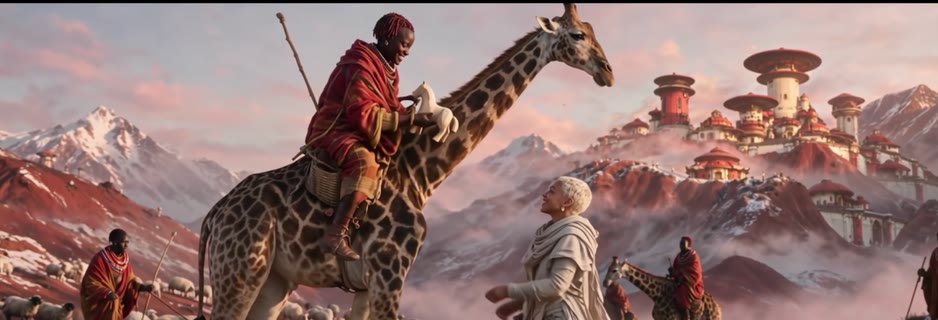
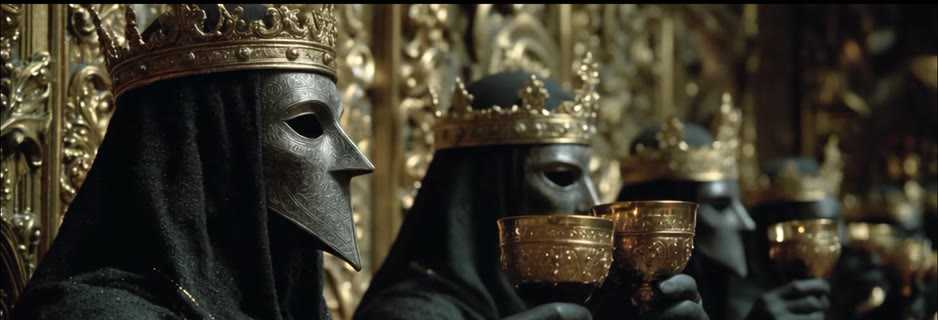
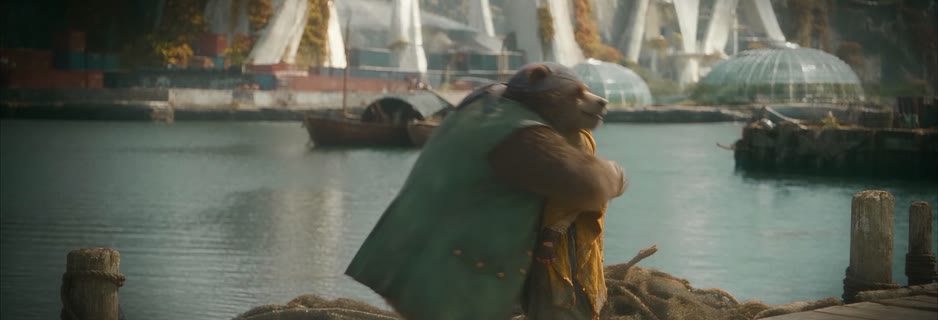
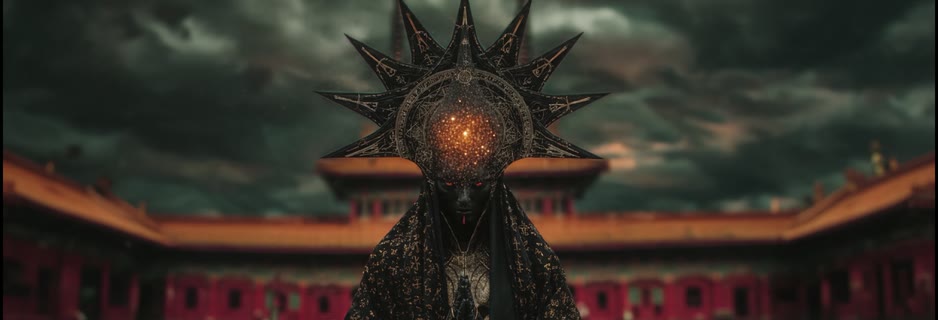
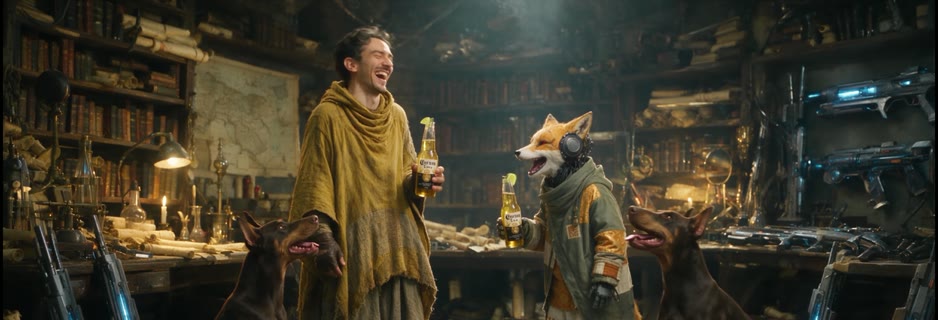
Then the images: a sheet for every character, then shot by shot. Some shots need just one photo.
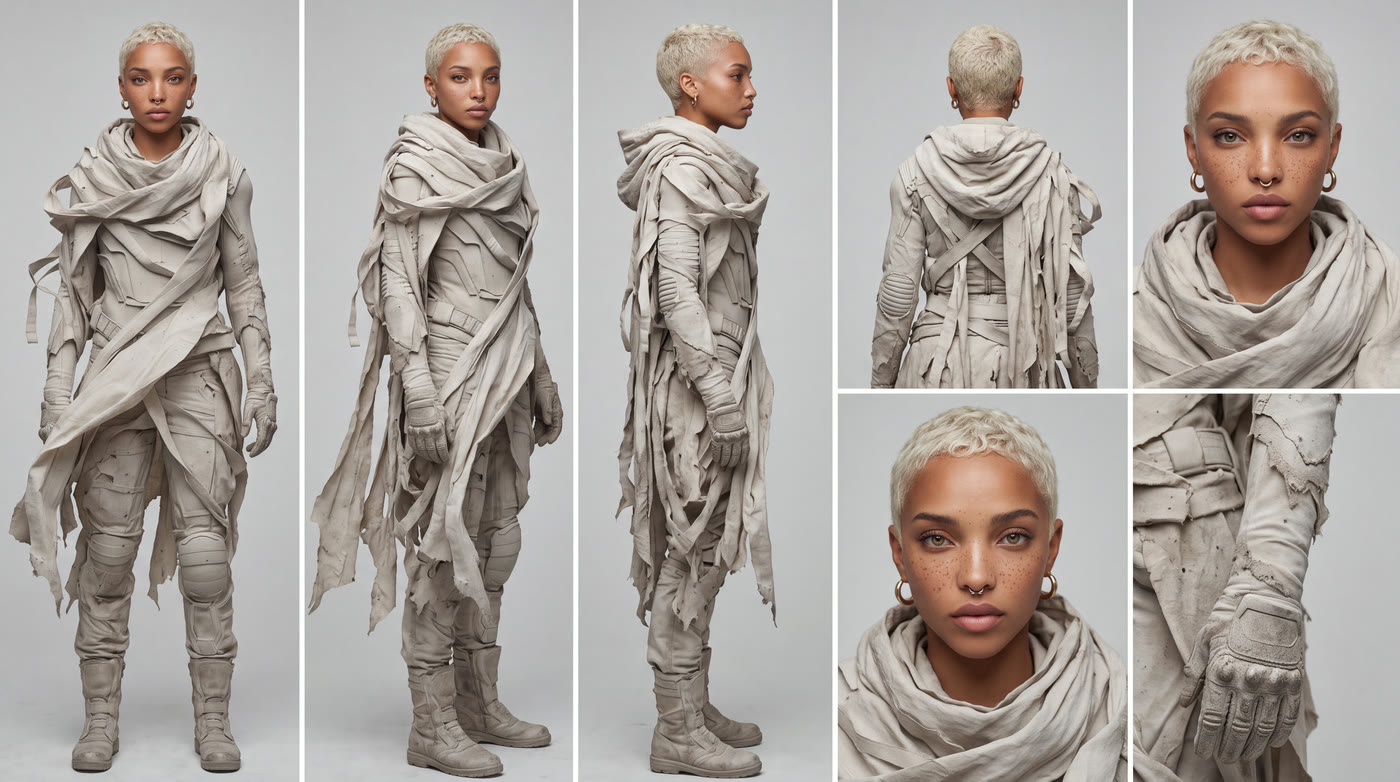
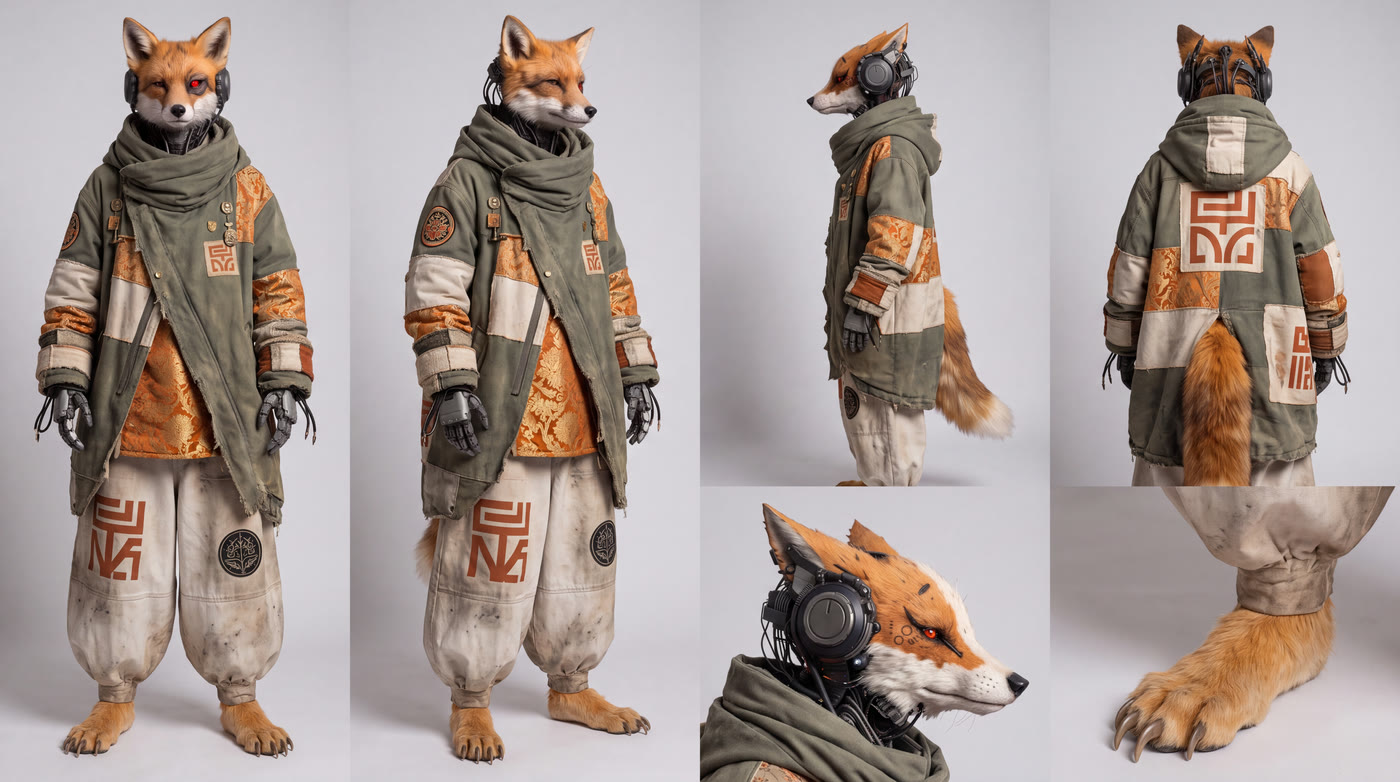
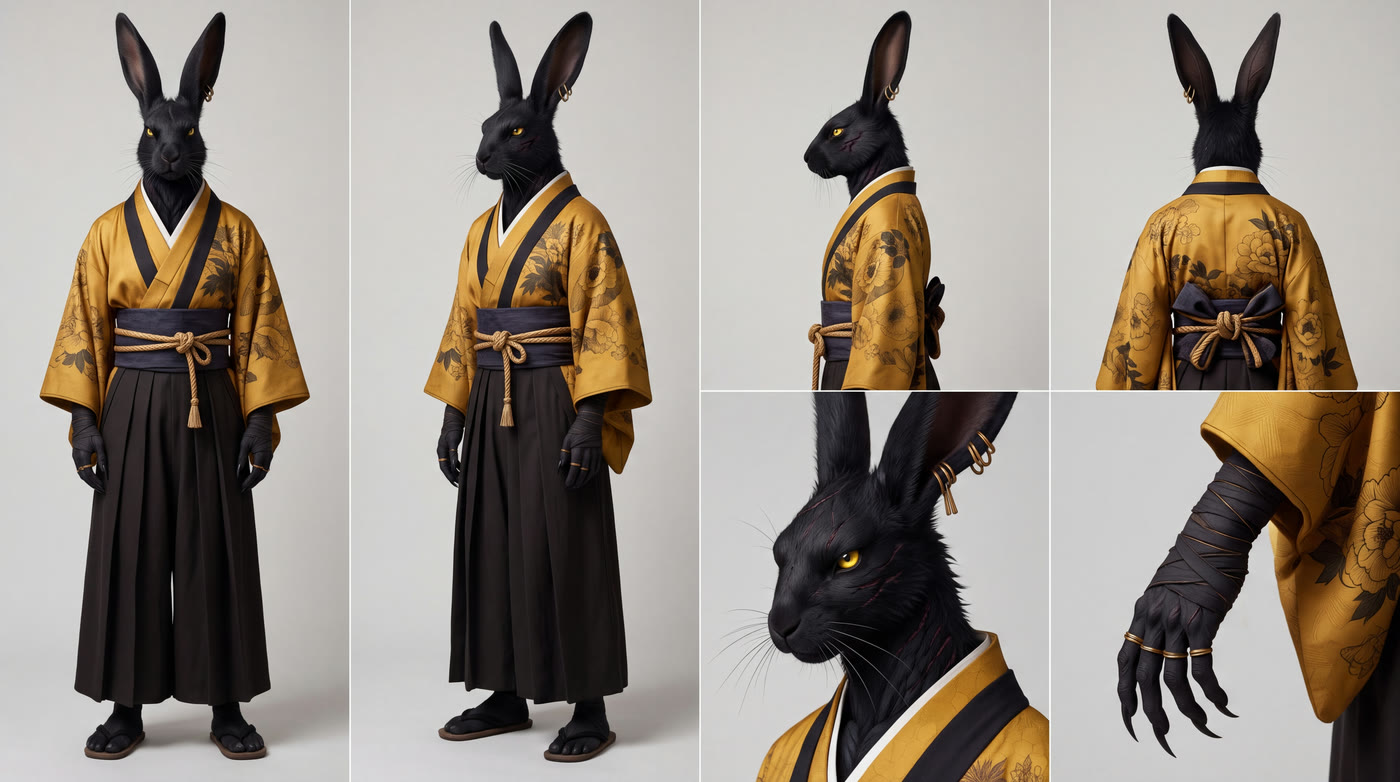
Step by step, told by me: the sound, the blocks, the sheets, the shots, the edit.
Written, cast, shot and mixed from one desk, with the sound designed shot by shot. Three pieces, the same tools:
Character, world, camera, voice, sound and edit — one point of view, from one desk in Zürich. Episode by episode, the same world has to come back, and it has to come back recognisable.
That's how I work: deciding who the protagonist is before deciding what to show. If your brand needs a world people recognise in one frame, tell me about your project. I'll send you a quote.